The first season with bees teaches you more in six months than a winter of reading ever will. Most beginners make the same handful of mistakes, and most of them are recoverable — a colony is remarkably good at covering for its keeper. The trouble is that a small error in April looks like a big one by August, and by then the bees are the ones paying for it. Here are the ones that trip up new beekeepers in the UK most often, and what to do instead.
Starting with too much kit and too many bees
It is easy to come away from a spring auction or an online sale with two nucs, three hive boxes and a determination to fill a corner of the field by July. Two colonies means twice the swarming decisions, twice the varroa monitoring and twice the chance of running out of spare equipment at exactly the wrong moment.
Start with one colony and get it through a full year, including a winter. That said, keep one assembled brood box, a floor and a roof in reserve from May onwards. If your bees throw a swarm or you are offered one on a Thursday evening, you will want somewhere to put it.
Before the bees arrive, think about where the hive is actually going. A spot that suits you is not always one that suits them:
- Morning sun and some shelter from prevailing wind, but not a baking wall that cooks the entrance in a heatwave.
- Firm, level ground, with room to stand behind the hive and work from the side.
- A nearby water source, or a shallow tray with stones in it, so they are not queuing at the neighbour's pond.
- Access you can manage with a wheelbarrow, in the dark, in the rain, carrying a full super.
- A quick word with neighbours and a thought for footpaths, livestock and anyone with a serious allergy living next door.
Over-inspecting, and inspecting without a purpose
New beekeepers tend to open hives too often and for too long. Every inspection breaks the propolis seals, lets warmth out and disturbs the colony's scent. A brood nest that is opened every two days in cool weather can end up with a chilled patch of brood or a queen that stops laying for a week to recover.
Weekly is plenty between April and July, and every eight to ten days during swarm season. If it is cold, wet or blowing a gale, leave them alone — there is nothing so urgent that it cannot wait until tomorrow. Once you have the roof off, work to a short list rather than a vague wander through the frames:
- Is the colony queenright? Look for eggs or very young larvae rather than searching for the queen herself.
- Is there space? Room for the queen to lay, and room for stores.
- Any swarm signs? Queen cells, especially along the bottom bars and in gaps.
- Do they have enough food for the next week or two?
- How does the brood look, and what are the mite numbers telling you?
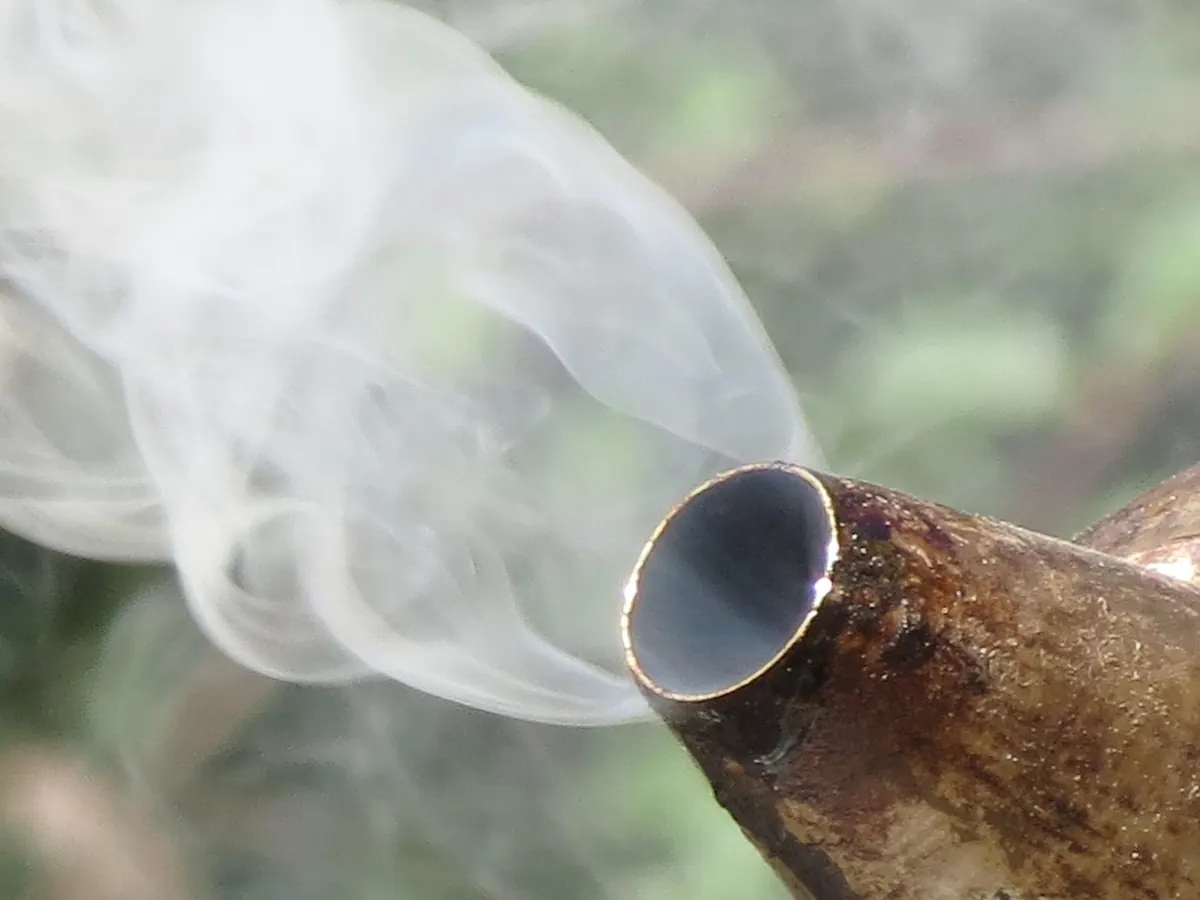
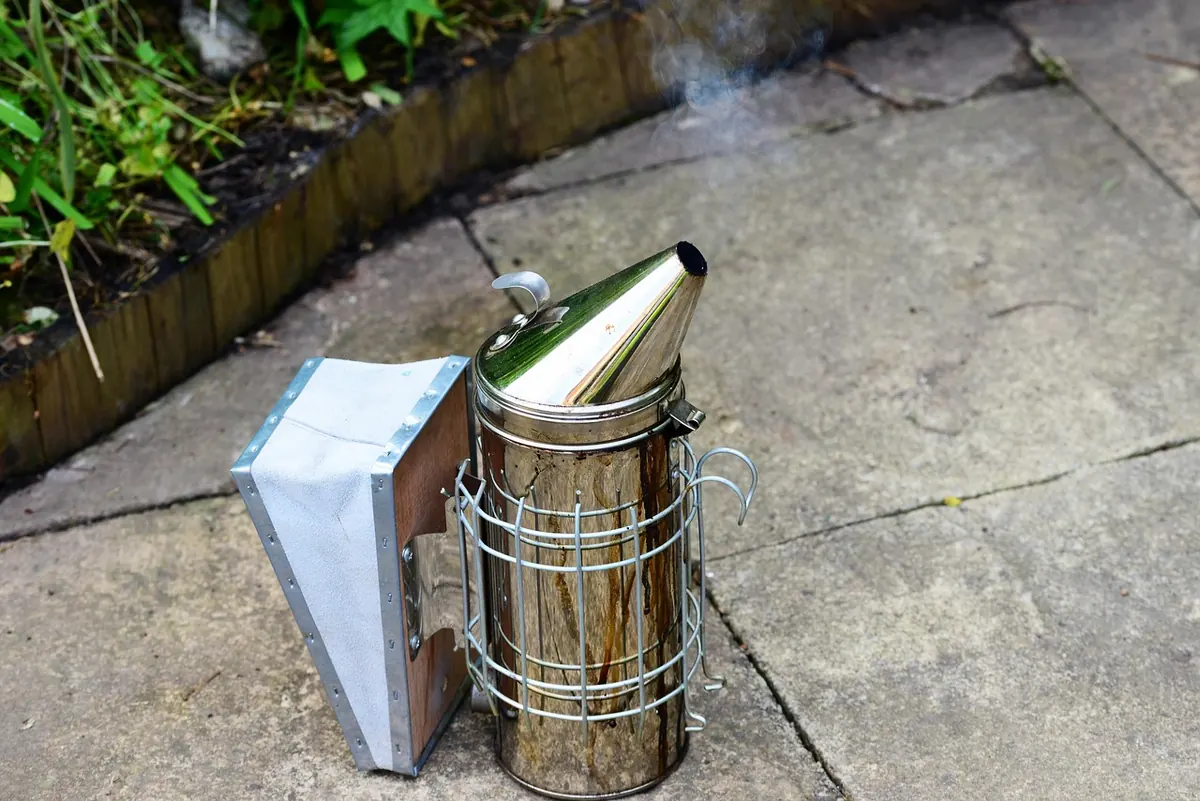
Then close up. Fifteen minutes, not an hour. Keep the frames in the same order, work from the side of the hive, and keep the smoker gentle — a little cool smoke at the entrance and under the roof is usually enough.
Getting feeding timing wrong
Feeding mistakes usually fall into three groups: feeding at the wrong time, feeding the wrong thing, and feeding while supers are on. Sugar syrup in a super means honey you cannot sell or give away honestly.
The main job of autumn feeding is to get stores laid down and capped while the bees are still active enough to do it. Leave it too late into October and they may take the syrup but never cap it, and it can ferment in the combs over winter. Thin syrup encourages brood rearing in spring; a thicker mix is better for building winter stores.
A simple rhythm that works for most UK colonies:
- Spring: feed only if the colony is genuinely light or a cold spell has locked them in — thin syrup or a little fondant.
- Late spring and summer: nothing while supers are on. Watch stores during a dearth, and be careful of starting a robbing frenzy by spilling syrup around the entrance.
- Late summer and early autumn: once the supers are off, feed to bring them up to winter weight.
- Midwinter: fondant only, and only if hefting the hive tells you they are light. Do not open a cluster in the cold to check.
- Nucs and swarms: feed steadily until they are drawing comb and established.
Ignoring varroa until you see damaged wings
By the time you spot deformed wings or a scattering of mites on a bee's back, the infestation has been building for months. Varroa is not something you look for once in spring; it is a number you monitor and manage all season.
A sugar roll or an alcohol wash gives you an actual figure to work from. Counting mites on a tray insert is better than nothing, but it undercounts. The goal is not zero mites — it is keeping numbers low through late summer and autumn, so the colony raises healthy winter bees.
Use only products authorised for use in the UK and follow the label exactly, including temperature limits and timing. Rotate between different active ingredients and methods rather than relying on the same treatment year after year, as resistance is a real concern. Combine treatments with husbandry: removing drone brood, replacing old comb, keeping strong queens and maintaining clean equipment. If you are unsure what to use or when, ask your local association or your regional bee inspector for advice.
Being surprised by swarming
Swarming is not a failure of care; it is what colonies do in May and June. The mistake is being caught without a plan. Check for queen cells every seven to eight days from April, and remember that an empty play cup is not the same as a charged cell with royal jelly and a larva inside.
Have the kit ready for an artificial swarm before you need it: a spare floor, brood box, crown board, roof and frames. If you do lose a swarm to a neighbour's chimney, deal with it calmly and quickly, and offer to help — goodwill in a village apiary is worth a great deal.
Learning on your own
Beekeeping looks like a solitary hobby from the outside. In practice the people who do well are the ones with someone to ring. Join a local association, go to apiary meetings, and handle other people's bees before you buy your own. Membership often includes some form of insurance as well as a mentor — check exactly what is covered rather than assuming.
Keep records too: date, weather, what you saw, queen cells, stores, treatments. A notebook is fine. Next spring, that notebook will be the most useful thing in your bee bag.
A first-season rhythm that keeps you out of trouble
Over winter, build your kit, do a course and order a nuc for late spring. In spring, start with one colony and check it weekly. Through summer, watch for queen cells, manage supers and take the honey off in good time. In late summer, monitor varroa, treat if the numbers justify it, and feed for winter. By autumn, fit a mouse guard, make sure the hive is strapped down and then leave them largely alone until spring.
You will still make mistakes. Everyone does, and most colonies forgive them. The trick is to make them early, ask for help while the problem is still small, and write down what happened so you recognise it next time.
Photo: PollyDot / Pixabay