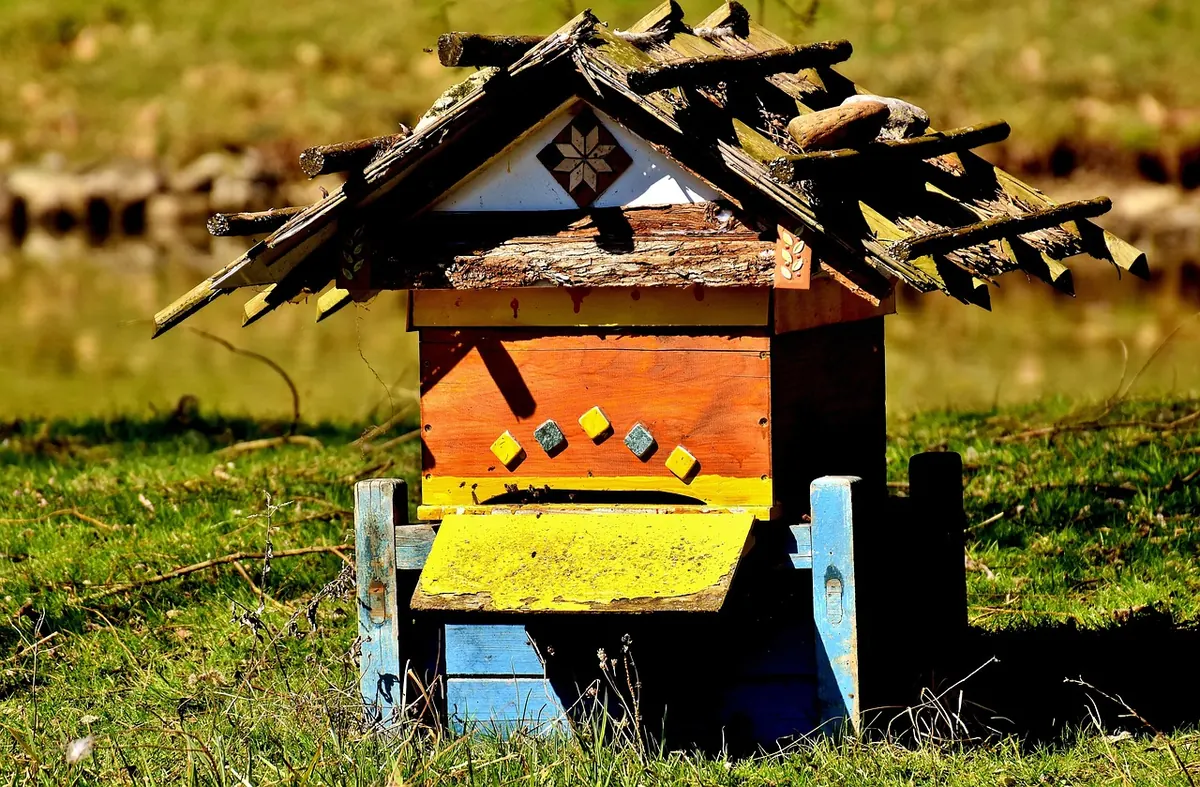
Two hives, a stack of spare supers and a path worn into the grass: that is the picture most beginners have in mind. The reality is more modest, and far more enjoyable. A British back garden — even a small one — can make an excellent apiary, provided you spend an afternoon working out where the hives will stand, how the bees will come and go, and what the neighbours will make of it.
Choose the Spot Before You Choose the Hive
Honeybees are adaptable, but they are not indifferent to their surroundings. A hive in a cold, damp hollow will sit sulking through spring while one a few metres higher, catching the morning sun, gets going an hour earlier. Look for a level, well-drained patch that is not at the bottom of a slope where frost lingers. An entrance facing roughly south or south-east gives the colony early warmth and encourages foragers out sooner; east-facing is a decent compromise if your garden is shaded in the morning.
Leave yourself room to work. You want about a metre of clear space behind and beside each hive — more if you can manage it — so you can stand comfortably, set down a super and step back if the colony is grumpy. Paving slabs or compacted gravel under the stands keep the legs dry and stop grass growing into the entrance. Stands around 30–40cm high are kinder to your back and less inviting to mice.
Shelter, Wind and the Flight Path
Exposed hives rattle in winter gales and lose heat in spring. A hedge, fence or line of shrubs a few metres away takes the worst of the wind without smothering the hive in shade. Avoid tight, still corners under dense trees: damp air lingers, roofs drip, and the colony stays cold. A hive in full shade all day rarely thrives in Britain.
A screen also solves the question of where the bees go. Foragers leave the entrance low and climb quickly. Put a barrier — a fence panel, a trellis with climbers, a woven willow screen — two metres or so in front of the hive and they will lift over it at roughly head height. That is the difference between bees streaming past a neighbour's patio and bees passing quietly above it.
Water, and Why It Matters
Bees need water to dilute stores and cool the hive, and a colony will find the easiest source within a few hundred metres. If that source is next door's pond or a child's paddling pool, you have handed your neighbour a complaint before you have even opened the hive. Provide your own before the bees start looking.
A shallow tray filled with pebbles, a bird bath with corks floating in it, or a gravel-topped saucer kept topped up will do. Bees drown easily in open water, so give them landing places and a gentle way out. Site it in the sun, a metre or two off the ground, and check it during dry spells.
Fencing, Screens and Keeping Hives Safe
An apiary need not look like a fortress. In a garden, a fence or hedge does three jobs: it breaks the wind, lifts the flight path and keeps hives out of sight from the road or a footpath. On an allotment, a lockable gate and a screen of netting or willow are sensible.
Check any tenancy agreement, lease or allotment rule before you build. Some deeds and leases restrict beekeeping, some councils have rules about hive numbers on allotment sites, and rented property usually needs the landlord's permission. For anything contractual, ask the council, your landlord or a solicitor rather than relying on hearsay.
Neighbours, Swarms and the Social Side
Most objections to garden bees are not about stings. They are about a swarm in a chimney, insects on a washing line, or the surprise of bees drinking from a pond. Talk to the people next door before the hives arrive. Explain where the entrance will point and what you will do if the colony swarms. Honey at the end of the season helps, but honesty in spring helps more.
Then manage it. Inspect weekly through the swarming season — roughly May to July — and carry out swarm control when you find queen cells. Keep entrances turned away from patios, washing lines and seating areas, and think about the route bees take as they climb away. If you are unsure whether you have the temperament for it, spend a season helping at an association apiary first.
Local Rules and Practical Housekeeping
There is no general legal minimum distance between a hive and a boundary in Britain, and no licence needed to keep bees in a garden. A few practical points are still worth knowing:
- Register your apiary on BeeBase, the national bee health database. It is free and voluntary, and you will be contacted if disease is found nearby.
- Learn to recognise the notifiable diseases, European and American foulbrood, and report suspicion to your local bee inspector rather than trying to treat it yourself.
- Report sightings of Asian hornet through the official reporting route.
- Join a local association. Membership usually includes public liability insurance, which matters if a neighbour is stung or a swarm causes damage.
- Check tenancy agreements, deeds and allotment rules before hives go down.
If a medical condition makes stings dangerous, or you are unsure how you would react, speak to your GP before starting. Keep an emergency plan and make sure anyone working in the garden knows where the hives are.
A Starter Layout That Works
This layout suits a typical small garden. Adapt the measurements; the principles matter more than the numbers.
- Mark out a patch roughly four metres by three in a corner, away from doors, paths and seating, with the longest side facing the boundary you want to screen.
- Lay slabs or compacted gravel for each stand, leaving a metre of clear working space behind and to one side.
- Set a two-metre screen between the hives and the neighbour's side, and angle the entrances so bees rise over it.
- Put a pebble-filled water tray three or four metres away, in the sun, and keep it filled.
- Store spare boxes, frames and a spare floor under cover nearby, so you are not crossing the lawn with kit mid-inspection.
Start with one colony if you are learning, or two if you want to compare and to have spare brood to fall back on. Sort the site, the water and the neighbours before the bees arrive, and your first season will be about learning the bees rather than managing the fallout. Beekeeping rewards patience more than equipment, and a well-sited apiary is half the job done.
Photo: Alexas_Fotos / Pixabay